The Geology
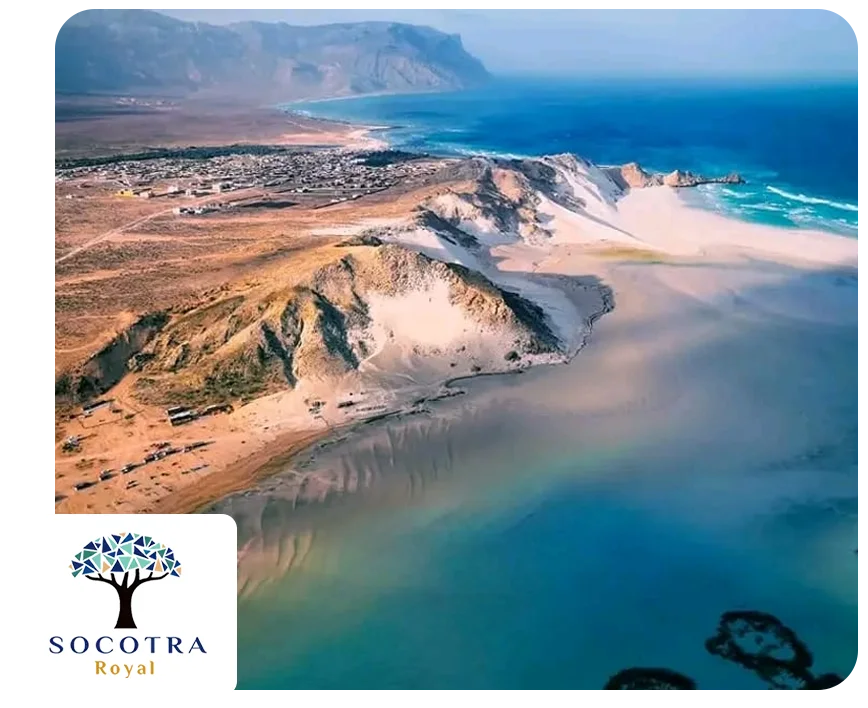
Socotra Island boasts a unique geological formation that makes it one of the oldest separate continental landmasses in the region. It separated from the Arabian Peninsula millions of years ago, giving it an independent geological character and rare natural diversity.
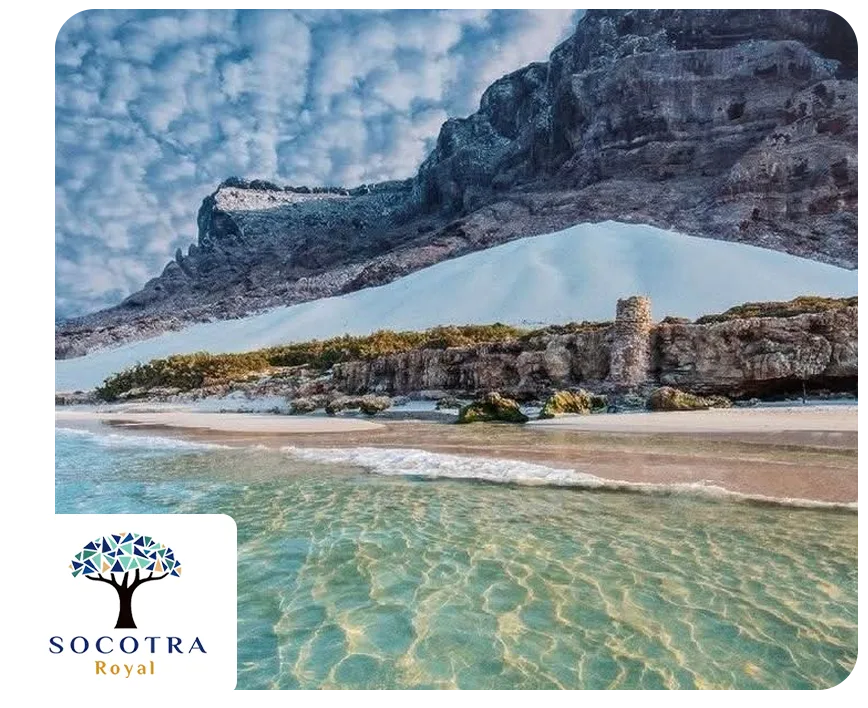
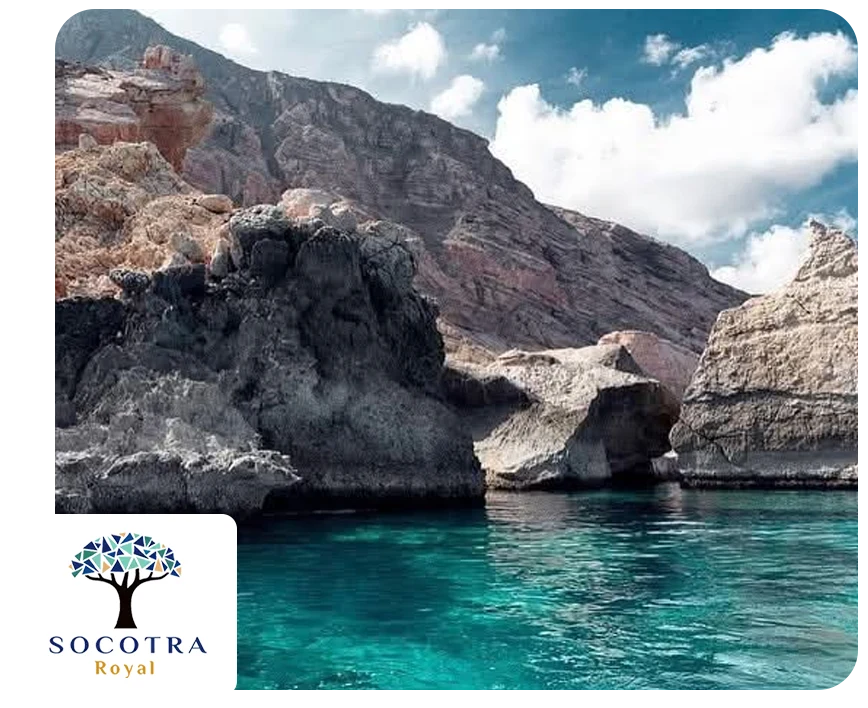
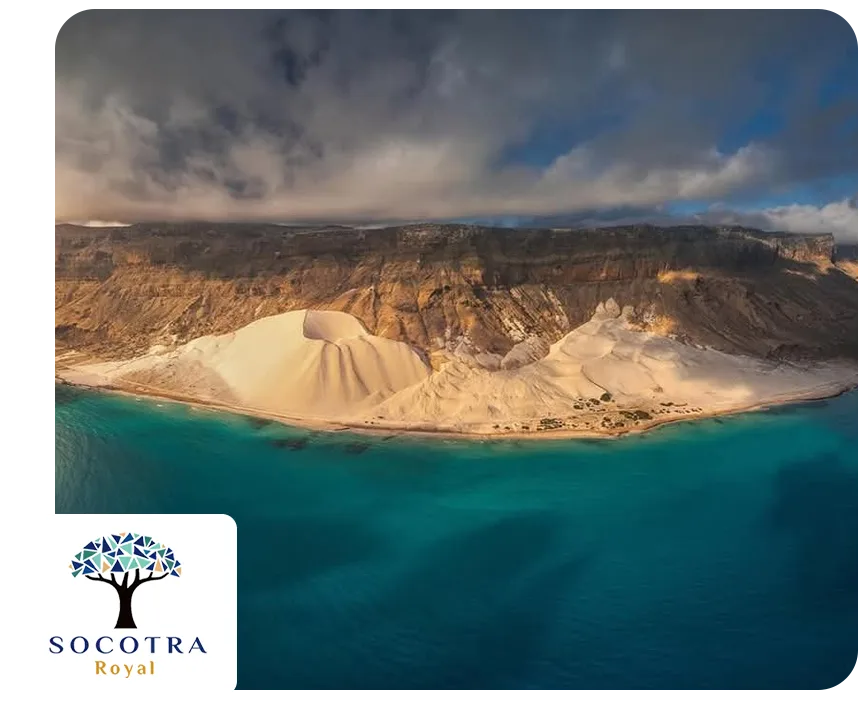
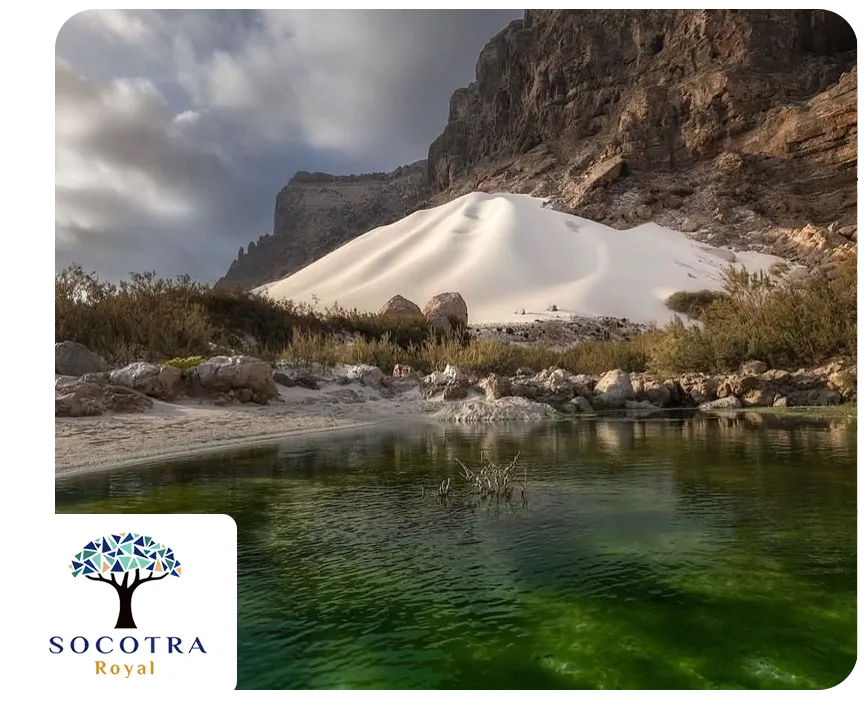
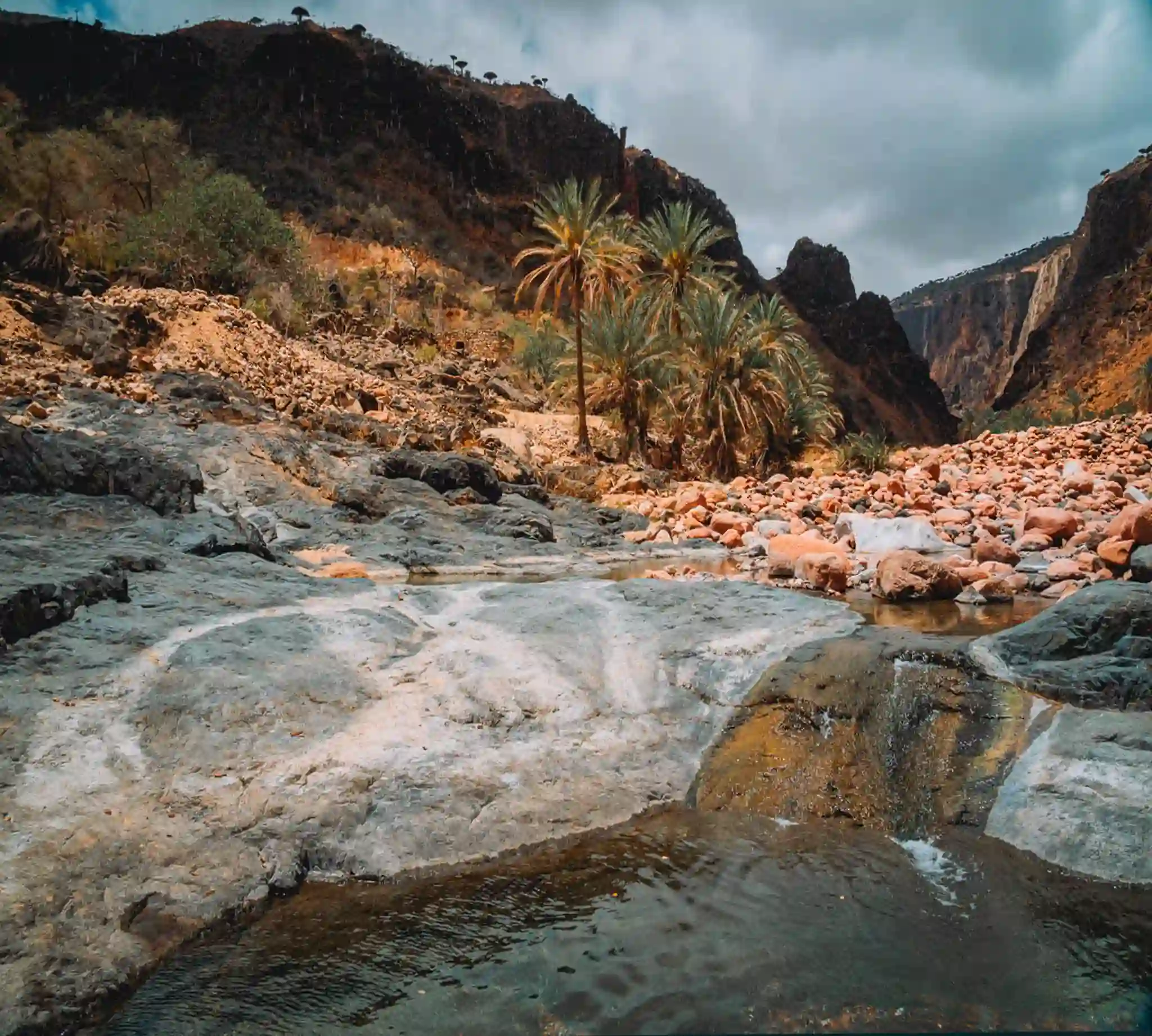
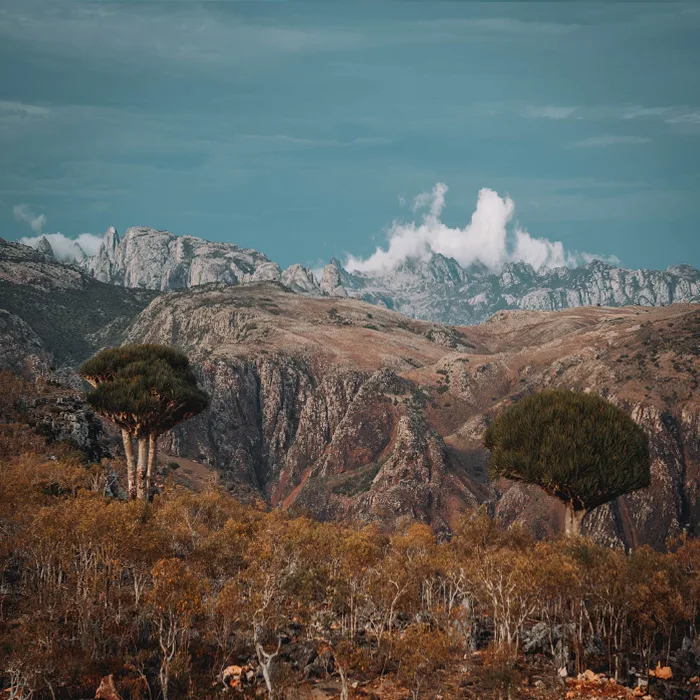
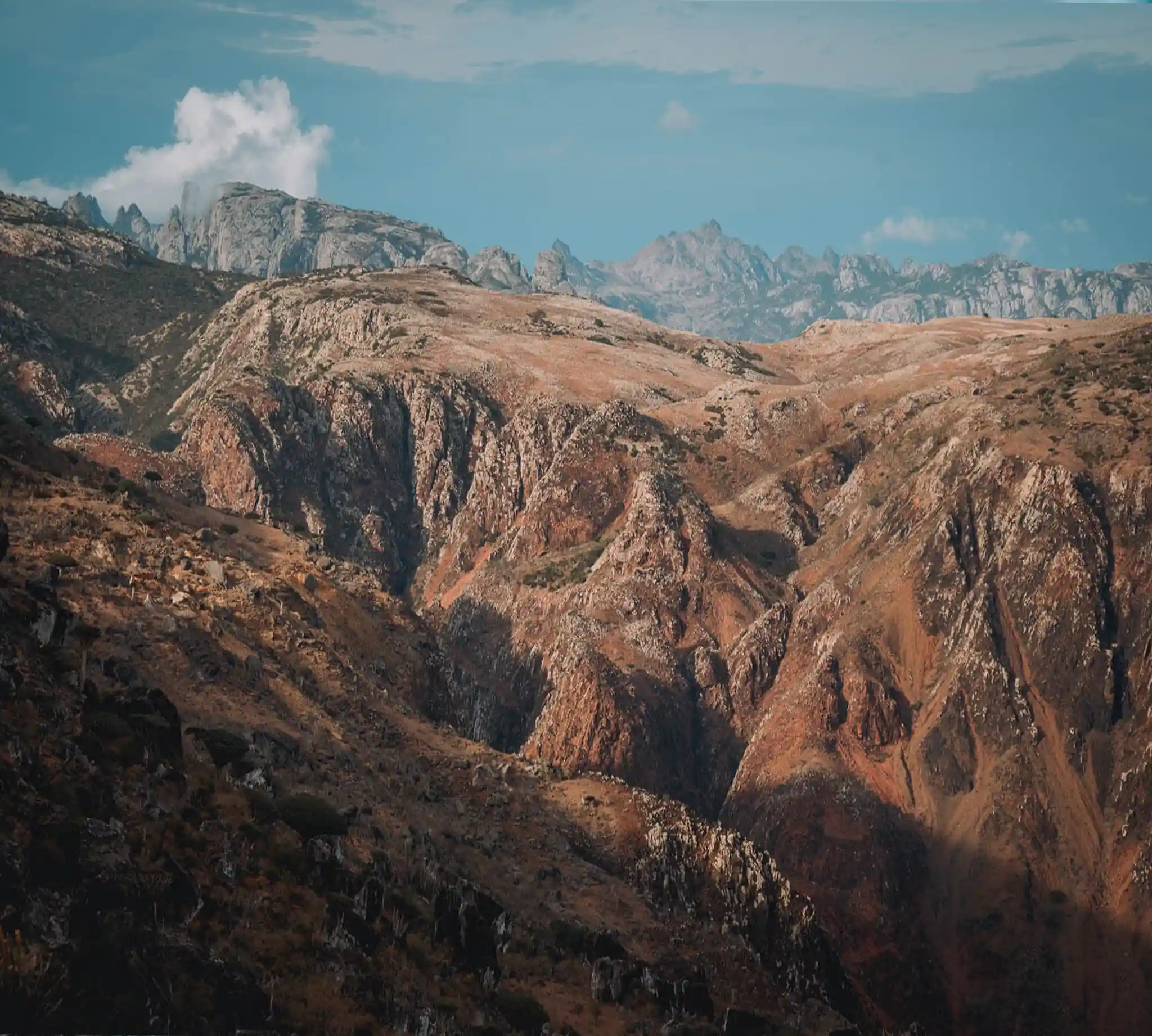
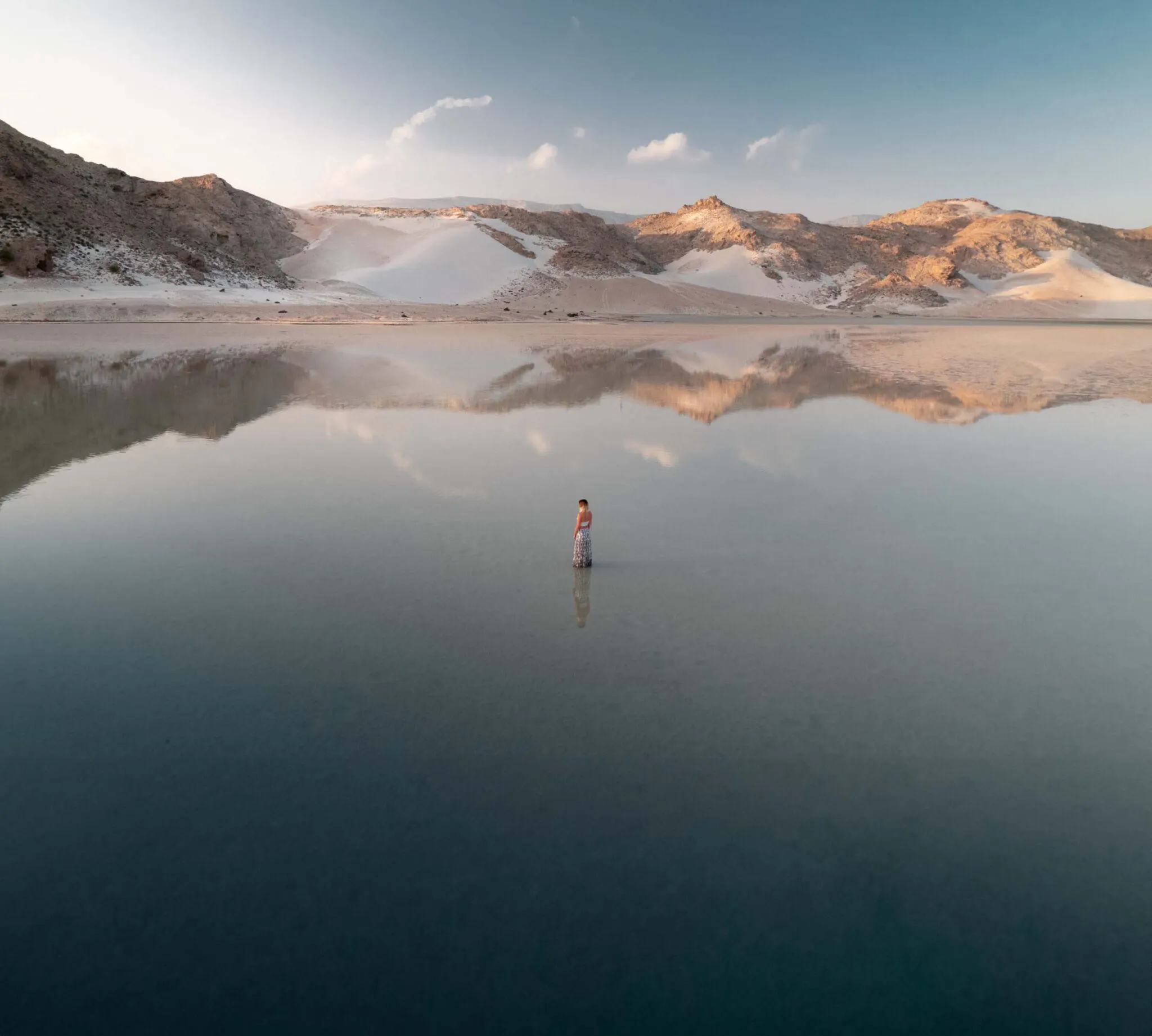
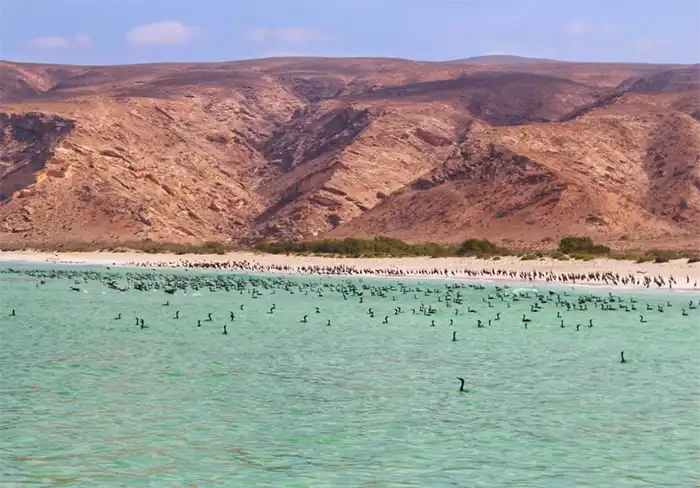
The island’s topography is a striking mix of ancient mountain ranges reaching heights of over 1,500 meters, expansive limestone plateaus, and deep valleys carved by monsoon rains over millennia. The rocks of Socotra exhibit ancient sedimentary layers and minerals, revealing a complex geological history dating back to the Jurassic and Cretaceous periods.
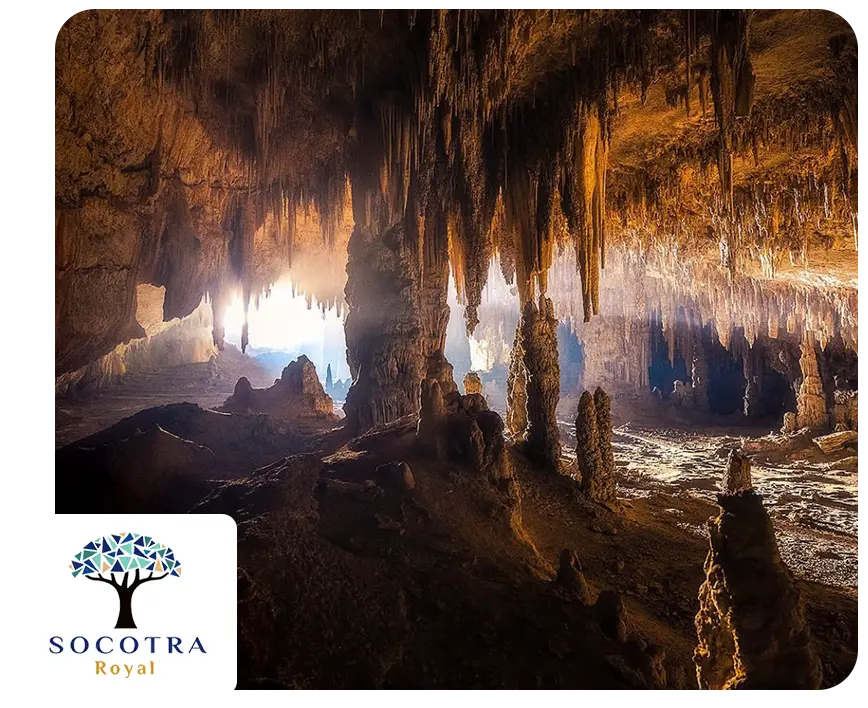
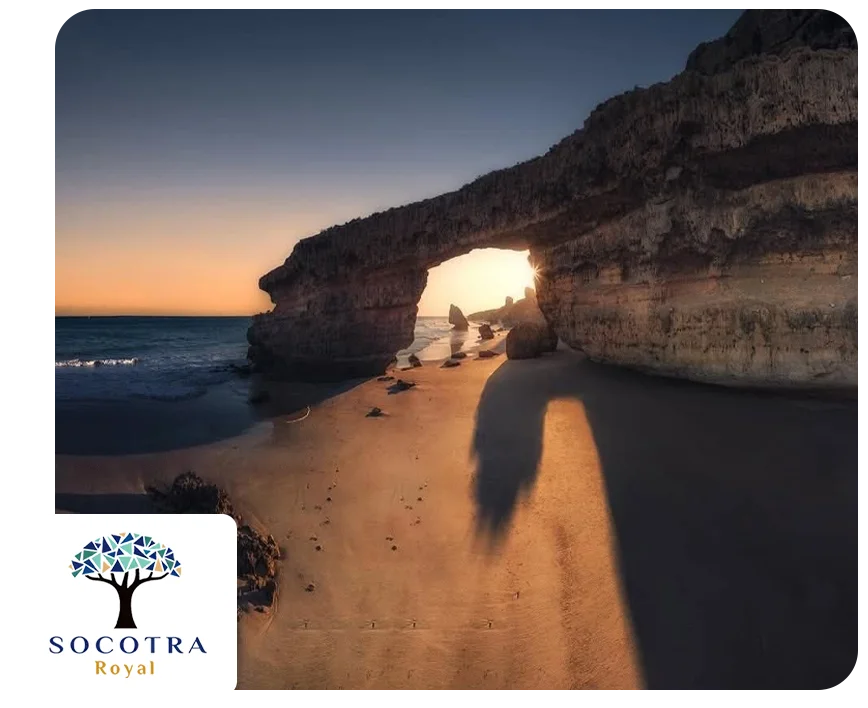
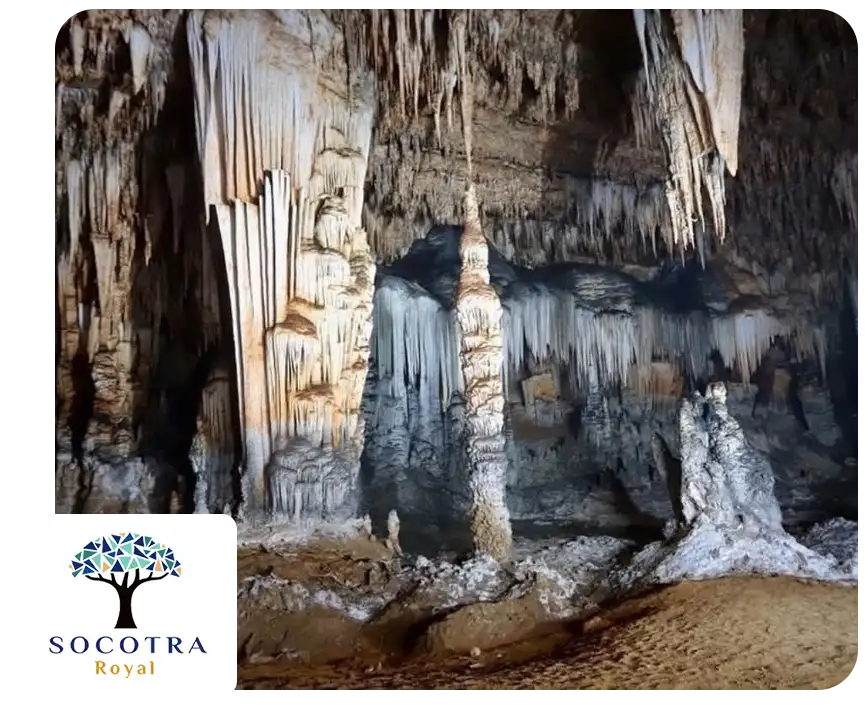
The huge caves and karst formations in areas such as Hove and Hook, which were formed by the erosion of limestone over time, have created an amazing network of natural passages, stalactites and stalagmites.
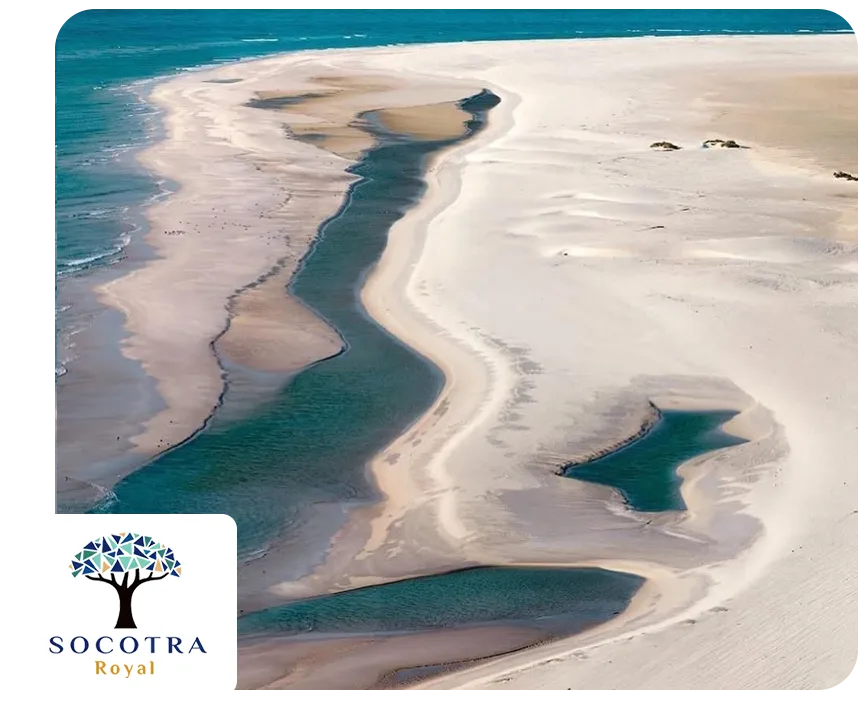
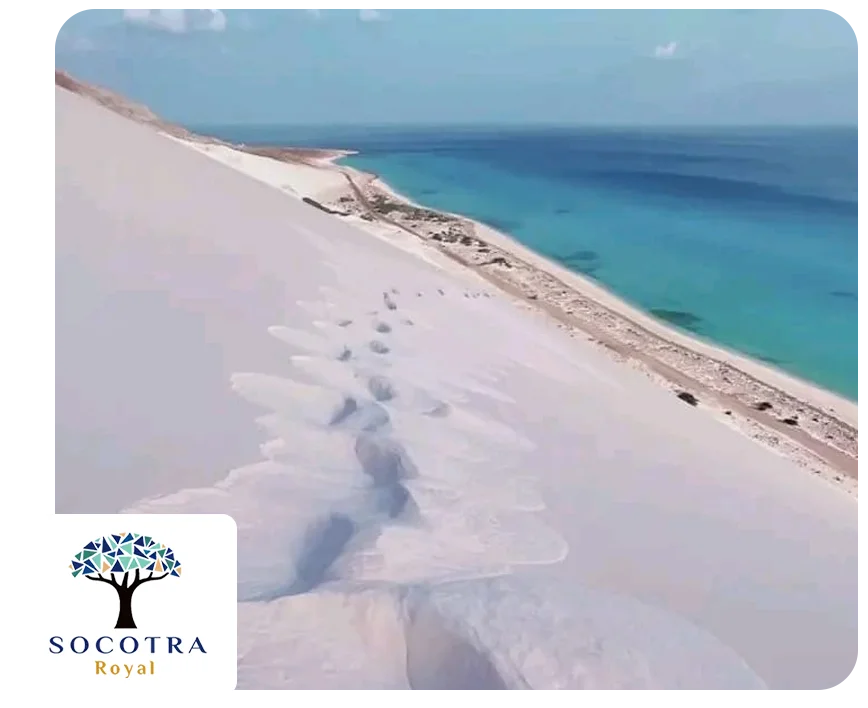
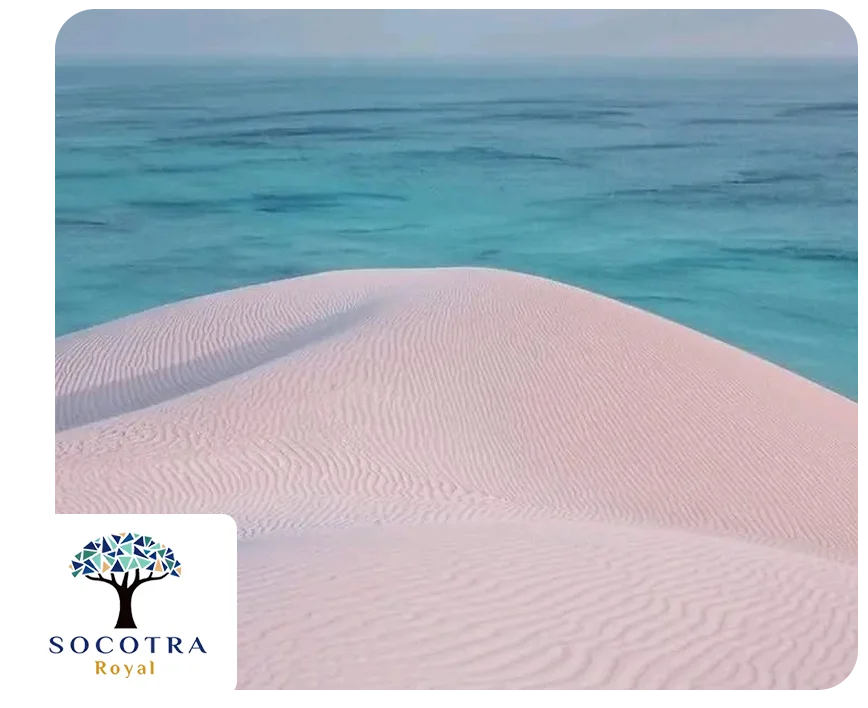
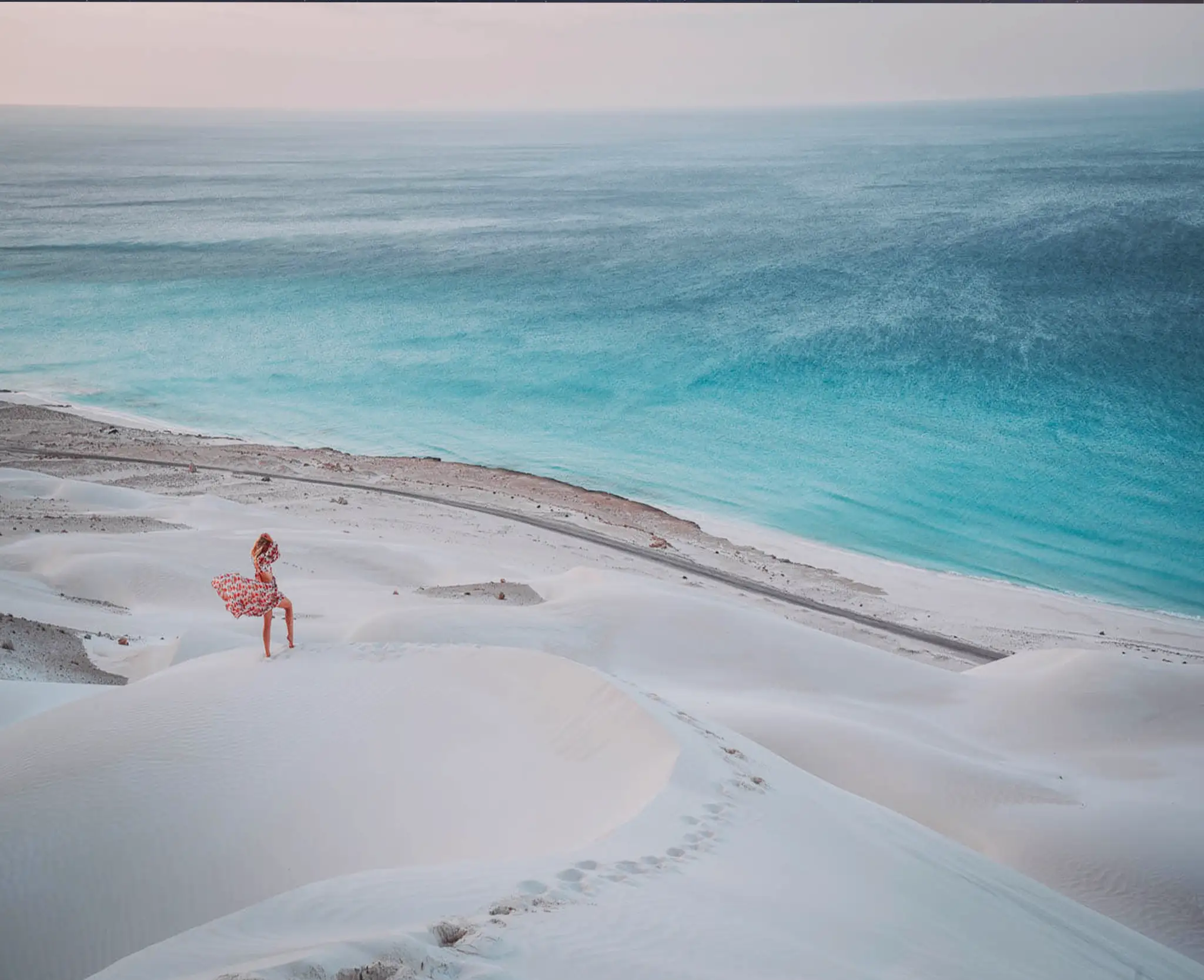
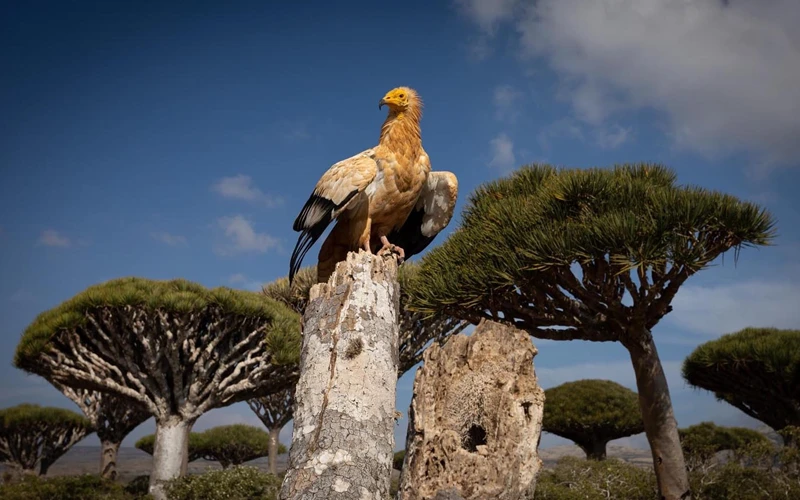
The geological diversity contributes to creating completely different environments within the island; from relatively cold mountain peaks, to fertile valleys, to sandy coastal plains, which has primarily contributed to the emergence of the endemic plants and animals for which Socotra is famous today.